
Tech Gear Hub compared the iPhone 17 vs iPhone 16 to answer the one question every iPhone shopper is asking in 2026: is the newer phone worth the extra money, or is last year's iPhone 16 the smarter buy? The short answer is that the iPhone 17 is the better phone in almost every way that matters day to day — a smoother 120Hz ProMotion display, up to 30 hours of video playback, and double the base storage — while the iPhone 16 is the better deal if you are happy with a 60Hz screen and 128GB of storage. This is a straight iPhone comparison for US buyers, with real prices checked on November 11, 2026, honest pros and cons for both phones, and no hype.
By Tech Gear Hub • Last updated: November 11, 2026
As an Amazon Associate I earn from qualifying purchases. Prices change often — check current price before you buy.
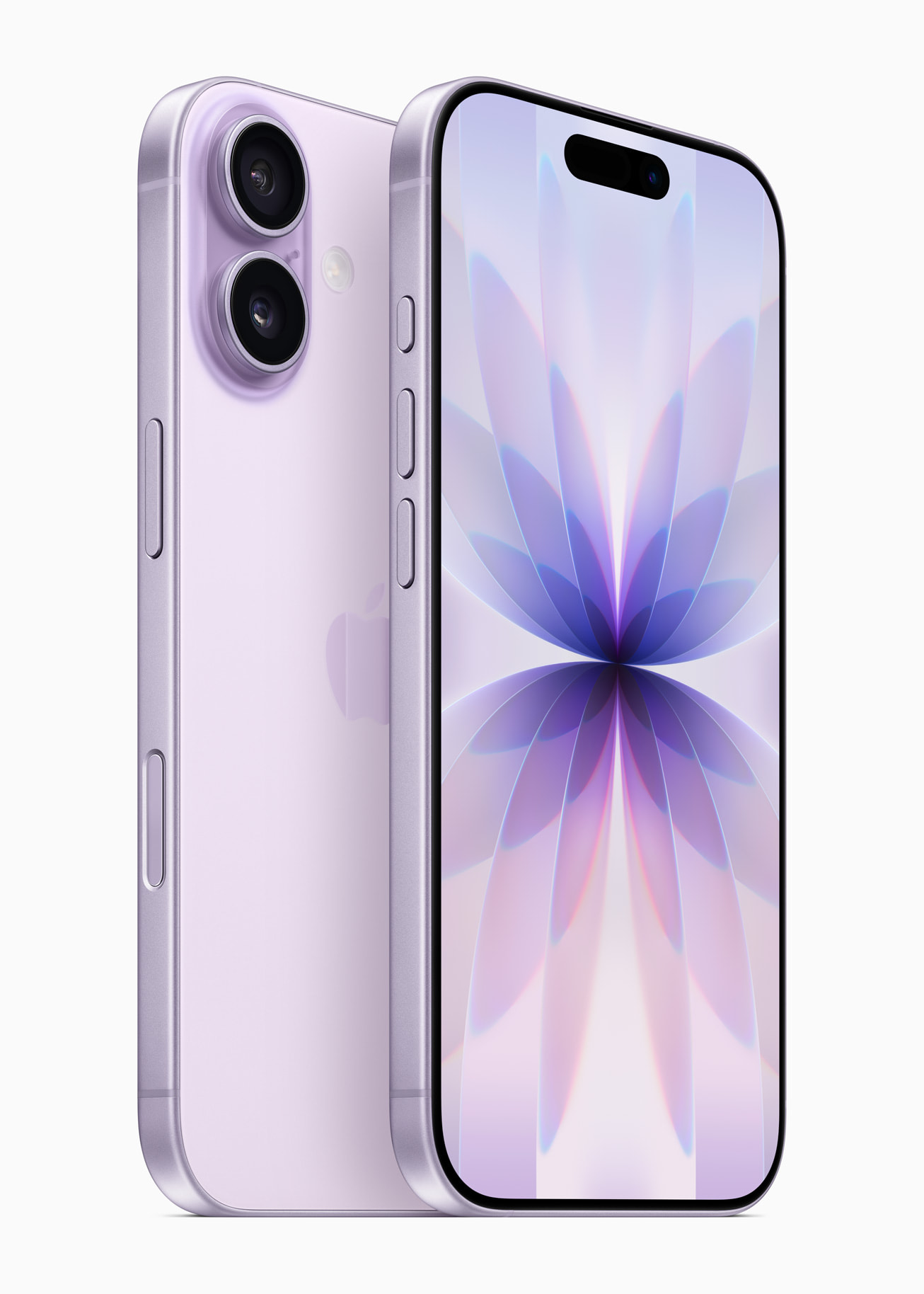
Quick Verdict
For most people, the iPhone 17 is the better buy because its 120Hz ProMotion display, 8 extra hours of battery life, and 256GB of base storage fix the three biggest compromises of the iPhone 16 — for only about $100 more. The iPhone 16 still makes sense as a value pick: it runs the same Apple Intelligence features, has the same Camera Control button, and costs much less refurbished. If you scroll, game, or shoot video every day, get the 17. If your budget is tight and 60Hz does not bother you, the 16 is a genuinely good phone in 2026.
Table of Contents
- iPhone 17 vs iPhone 16 at a Glance
- Display: The 120Hz Difference You Will Feel Every Day
- Battery Life: 8 Extra Hours Is the Real Upgrade
- Cameras: 48MP on Both, but the 17 Pulls Ahead
- Performance: A19 vs A18
- Storage and Price: Double the Storage for About $100 More
- Design, Durability, and the SIM Tray Question
- The Refurbished Route: A $385 iPhone 16 Changes the Math
- Who Should Buy Which iPhone?
- Who Should NOT Buy Either
- iPhone 17 vs iPhone 16 FAQ
iPhone 17 vs iPhone 16 at a Glance
Before the details, here is the whole comparison on one screen. The iPhone 17 is not a small refresh: Apple changed the display, the battery, the front camera, the ultra-wide camera, and the base storage all in one year. The iPhone 16, meanwhile, is still a fast, modern phone — it launched in September 2024 with Apple Intelligence, Camera Control, and the A18 chip — so this is a contest between a very good phone and a meaningfully better one, not between a good phone and a bad one.
| Feature | iPhone 17 | iPhone 16 |
|---|---|---|
| Display | 6.3-inch Super Retina XDR, ProMotion up to 120Hz, always-on, 3,000 nits peak outdoor brightness | 6.1-inch Super Retina XDR OLED, 60Hz, no always-on display |
| Chip | A19 (6-core CPU, 5-core GPU, 3nm) | A18 (6-core CPU, 5-core GPU) |
| Rear cameras | 48MP Fusion Main + 48MP Fusion Ultra Wide with macro, optical-quality 2x Telephoto | 48MP Fusion Main + 12MP Ultra Wide, 2x Telephoto |
| Front camera | 18MP Center Stage, square sensor, Dual Capture | 12MP TrueDepth |
| Video playback | Up to 30 hours | Up to 22 hours |
| Base storage | 256GB (512GB option) | 128GB (only configuration now sold in the US) |
| Charging | Up to 50% in about 20 minutes with a high-wattage USB-C adapter; MagSafe up to 25W | Up to 50% in about 30 minutes; MagSafe up to 25W |
| Front glass | Ceramic Shield 2, 3x better scratch resistance than iPhone 16 | Ceramic Shield |
| SIM | eSIM only, no SIM tray anywhere | eSIM only in the US; physical SIM tray on Canadian units |
| Colors | Black, lavender, mist blue, sage, white | Black, white, pink, teal, ultramarine |
| Price (checked Nov 11, 2026) | $899 with eligible carrier activation | $799 with carrier activation; $829 unlocked |
Our own scores, out of 10, based on the specs above and how they play out in daily use:
| Category | iPhone 17 | iPhone 16 |
|---|---|---|
| Display | 9.5/10 | 7.0/10 |
| Battery life | 9.0/10 | 7.5/10 |
| Value for money | 8.5/10 | 8.0/10 |
The display gap is the widest because 120Hz changes how the phone feels every single time you touch it, while the value scores stay close because the iPhone 16 gives up surprisingly little for about $100 less — and far less if you buy refurbished.
Display: The 120Hz Difference You Will Feel Every Day
The iPhone 17 has a 6.3-inch Super Retina XDR display with ProMotion up to 120Hz, while the iPhone 16 has a 6.1-inch OLED display locked at 60Hz. That single line is the biggest reason to buy the 17. A 120Hz screen refreshes twice as often as a 60Hz screen, so scrolling through news, social feeds, and long web pages looks noticeably smoother, animations feel instant, and games play with less blur. Once you have used a 120Hz phone for a week, going back to 60Hz feels like the phone is lagging — even though it is not.
The iPhone 17 also gets an always-on display that drops to 1Hz when you are not using it, so the time, widgets, and Live Activities stay visible at a glance. The iPhone 16 has no always-on display at all. And the 17 is far brighter outdoors: Apple rates it at 3,000 nits peak outdoor brightness, which it calls the highest ever on an iPhone, with twice the outdoor contrast of the previous generation. If you use your phone outside a lot — navigation, photos, reading in sunlight — that brightness is a real, daily benefit.
The screen is also slightly bigger: 6.3 inches on the iPhone 17 versus 6.1 inches on the iPhone 16, with thinner borders. It is a small change on paper, but it means a little more room for video, reading, and typing without a noticeably bigger phone in your hand.
One honest note: if you have only ever used 60Hz phones, the iPhone 16's screen will look perfectly fine to you. The 60Hz display is sharp, colorful, and bright enough indoors. The problem is only that the 17 exists at nearly the same price — and once you see them side by side, the 16's screen looks like last year's technology, because it is.

iPhone 17 vs iPhone 16 display verdict: the 17 wins clearly. The 120Hz ProMotion display, always-on screen, and 3,000-nit outdoor brightness are upgrades you notice every day, not just on a spec sheet. Check the current price of a Renewed iPhone 17 on Amazon if the display alone is pushing you toward the newer phone.
Battery Life: 8 Extra Hours Is the Real Upgrade
The iPhone 17 delivers up to 30 hours of video playback, per Apple's official specs, while the iPhone 16 is rated for up to 22 hours — a gap of 8 full hours. That is the single largest battery jump between two back-to-back base iPhones in years, and Apple itself makes the same point: its own product page says the iPhone 17 gets up to 8 hours more video playback than the iPhone 16.
For streamed video the gap is similar in spirit — the iPhone 16 is rated at 18 hours of streamed video and 80 hours of audio playback — but the headline number is what matters for real life: the iPhone 17 is the first base iPhone that can genuinely get most people through a long day and into the next morning without hunting for a charger. Heavy users who stream video, navigate with maps, and shoot photos all day will feel the difference most. Light users will simply charge less often, which is good for long-term battery health too.
Charging is faster as well. Apple says the iPhone 17 can charge up to 50 percent in about 20 minutes with an optional high-wattage USB-C power adapter, such as its new 40W Dynamic Power Adapter — the 40W figure is reported in the wider coverage of the phone, while Apple itself describes the adapter rather than a wattage rating for the phone. The iPhone 16 needs about 30 minutes for the same 50 percent. Both phones support MagSafe wireless charging up to 25W with the latest MagSafe Charger and a 30W or higher power adapter. A new Adaptive Power Mode in iOS 26 also learns your typical usage and conserves power when it expects you to run low, which helps both phones — but it cannot close an 8-hour hardware gap.
iPhone 17 vs iPhone 16 battery verdict: the 17 wins by a wide margin. If battery anxiety is why you are upgrading at all, this is the section that should decide it for you.
Cameras: 48MP on Both, but the 17 Pulls Ahead
Both phones have a 48MP Fusion Main camera with an optical-quality 2x Telephoto, so daylight photos from the main lens will look very similar. The differences show up everywhere else. The iPhone 17 upgrades the ultra-wide camera to 48MP with macro photography, versus 12MP on the iPhone 16 — Apple says the new ultra-wide captures up to four times the resolution of the previous generation, so wide landscapes and close-up macro shots carry far more detail.
The front camera is the bigger leap. The iPhone 17 has an all-new 18MP Center Stage front camera with a square sensor, versus the 12MP front camera on the iPhone 16. Center Stage lets you take landscape selfies while holding the phone vertically, expands the field of view automatically for group shots, keeps you centered on video calls, and enables Dual Capture — recording with the front and rear cameras at the same time. If you take a lot of selfies, shoot video of yourself, or spend your day on FaceTime and Zoom, this is a genuine upgrade, not a marketing line.
Both phones shoot 4K60 Dolby Vision video with Cinematic mode and Action mode, and both record spatial photos and video. Both also get the latest Photographic Styles in iOS 26, including the new Bright style. The iPhone 16's camera system is still very good — its 48MP main camera was a big step up when it launched — but the 17's ultra-wide and front cameras are a full generation ahead.
iPhone 17 vs iPhone 16 camera verdict: the 17 wins on the ultra-wide and the front camera; the main camera is effectively a tie. Selfie and video creators should pick the 17. Casual photographers who mostly use the main lens will be happy with either.
Performance: A19 vs A18
The iPhone 17 runs the A19 chip, built on third-generation 3-nanometer technology, while the iPhone 16 runs the A18. Apple says the A19's 6-core CPU is 1.5 times faster than the A15 Bionic in the iPhone 13, and its 5-core GPU is more than twice as fast — and the updated display engine, image signal processor, and Neural Engine power Apple Intelligence features like Live Translation and the latest Photographic Styles.
In everyday use, both chips are fast. Apps open instantly on either phone, and both handle Apple Intelligence, demanding games, and 4K video editing without breaking a sweat. The A19's real advantage is longevity: it will stay smooth for a year or two longer than the A18, and it is the chip that powers the 120Hz ProMotion display and the more demanding on-device AI features. If you keep your phone for four or five years, the A19 buys you extra headroom at the end of that run. If you upgrade every two years anyway, you will not feel the difference between the two chips in 2026.
Both phones support Apple Intelligence, both have the Camera Control button and the Action button, and both run iOS 26 with its Liquid Glass design. Neither phone makes you miss out on software features today. The performance gap is about the future, not the present.
iPhone 17 vs iPhone 16 performance verdict: the 17 wins on paper and on longevity, but the 16 is not slow. This is the least important difference between the two phones for most buyers.
Storage and Price: Double the Storage for About $100 More
Here is where the iPhone 17's value becomes hard to argue with. The iPhone 17 starts at 256GB of storage — double the iPhone 16's 128GB base — with a 512GB option. The iPhone 16, as currently sold in the US, is only available in the 128GB configuration; the 256GB and 512GB tiers have been removed from Apple's US store, according to reports from pandromeda.
That matters because 128GB fills up fast in 2026. A few minutes of 4K video, a large photo library, offline maps, and a handful of big games can eat half of it. With 256GB, most people never think about storage at all. Buying the iPhone 16 to save money and then paying for extra iCloud storage every month is a false economy — and it is exactly the trap the 17's doubled base storage avoids.
On price, Apple lists the iPhone 17 from $899 with eligible carrier activation, checked on November 11, 2026, and the same configuration is reported at $929 without activation — a $30 connectivity discount tied to carrier activation, per pandromeda's reporting. The iPhone 16 is $799 with carrier activation, or $829 unlocked, checked on November 11, 2026. So the real gap on Apple's activation pricing is about $100 — and for that $100 you get the 120Hz display, 8 extra hours of battery, a better front camera, a 48MP ultra-wide, and twice the storage. That is one of the best $100 upgrades Apple has ever offered between two back-to-back base iPhones.
One honest flag: Apple's launch announcement in September 2025 listed the iPhone 17 from $799, while Apple's current store page lists it from $899 with carrier activation. Prices and carrier offers change over time, so treat the launch price as history, not as the price you will pay today — check current price on Apple's site or with your carrier before you buy.
If even $799 is more than you want to spend, the cheaper end of Apple's current lineup is worth a look before you settle: our iPhone 16e vs iPhone 15 comparison breaks down the budget option and what you give up for it. But between the 16 and the 17 themselves, the 17 is the better value at full price.
iPhone 17 vs iPhone 16 price verdict: the 17 wins on value. The 16 is only the better deal if you find it discounted or refurbished — which brings us to the smartest way to buy the older phone.
Design, Durability, and the SIM Tray Question
The two phones look like close relatives, and they are. The iPhone 17 has a contoured-edge design with thinner borders and a slightly larger 6.3-inch screen; the iPhone 16 is a touch smaller at 6.1 inches with the same flat-sided shape, Camera Control button, and Action button. Both are built around an aluminum enclosure, both charge over USB-C, and both feel like premium phones in the hand.
Durability is where the 17 moves ahead. Its Ceramic Shield 2 front cover uses a new Apple-designed coating that Apple says delivers 3x better scratch resistance than the previous generation, with improved anti-reflection to cut glare. The iPhone 16's original Ceramic Shield is still tough, but if you carry your phone without a case or a screen protector, the 17 will pick up fewer scratches over two or three years.
Colors are a matter of taste: the iPhone 17 comes in black, lavender, mist blue, sage, and white, while the iPhone 16 comes in black, white, pink, teal, and ultramarine. The 17's palette is softer and more muted; the 16's is bolder. Neither is a reason to choose one phone over the other, but it is worth knowing before you fall for a color that only exists on one model.
Then there is the SIM tray — or rather, the lack of one. The iPhone 17 has no physical SIM tray anywhere in the world: it is eSIM only. The iPhone 16 is also eSIM only in the US, though Canadian units still have a physical SIM tray. For most US buyers this changes nothing, because AT&T, T-Mobile, and Verizon all support eSIM and switching carriers takes minutes. But if you travel with local physical SIM cards, or you simply want the option of a tray, neither of these phones gives it to you in the US — and that is worth knowing before you buy, not after. On durability more broadly, it is worth remembering that even Apple has had screen questions on newer models: our report on the iPhone Duo display cracking issue is a reminder to check real-world durability reports, not just launch claims, before trusting any new screen technology.
iPhone 17 vs iPhone 16 design verdict: the 17 wins on scratch resistance and screen size; everything else is a tie. The SIM situation is a tie too — both are eSIM only in the US.

The Refurbished Route: A $385 iPhone 16 Changes the Math
Everything above assumes you are buying new from Apple. The math changes completely on the refurbished market. According to refurb.me's October 2026 data, a refurbished iPhone 16 starts from about $385 carrier-locked, while a refurbished iPhone 17 starts from about $648 carrier-locked. At those prices the gap between the two phones is roughly $263 — not $100 — and the iPhone 16 becomes a genuinely different proposition.
A $385 iPhone 16 is, frankly, a steal for what you get: the A18 chip, Apple Intelligence, Camera Control, a 48MP main camera, and at least three more years of iOS updates. The compromises — 60Hz, 128GB, 22 hours of video playback — hurt a lot less when you have saved more than $400 against the new iPhone 17's price. If your budget is under $500, a refurbished iPhone 16 is one of the best phone deals in the US right now.
A refurbished iPhone 17 at $648 is also worth considering if you want the 120Hz screen and the 30-hour battery but cannot stretch to $899. Just be careful about what "refurbished" means on any given listing: check the seller's battery-health guarantee, the warranty length, and whether the phone is carrier-locked. Amazon Renewed listings carry a 90-day guarantee, and Renewed Premium listings carry a one-year warranty — read the listing before you buy, and check current price on the day you order, because refurbished prices move daily. Check the current price of a Renewed iPhone 16 on Amazon to see where the market sits today.
Refurbished verdict: new, buy the 17. Refurbished, the 16 is the value king — and the 17 is the smart middle ground if you can stretch to $648.
Who Should Buy Which iPhone?
Buy the iPhone 17 if you…
- Notice screen smoothness and want the 120Hz ProMotion display.
- Need all-day battery life and hate carrying a charger — 30 hours of video playback is the headline here.
- Shoot a lot of selfies or video, and want the 18MP Center Stage front camera.
- Want 256GB of base storage so you never think about space.
- Keep your phone for four or five years and want the A19's extra headroom.
- Are buying new from Apple or your carrier anyway — the $100 gap is small for what you get.
Buy the iPhone 16 if you…
- Want to save money, especially refurbished — from about $385 carrier-locked.
- Are happy with a 60Hz display and have never missed 120Hz.
- Use your phone lightly and charge every night anyway.
- Mostly use the main camera and rarely take selfies or use the ultra-wide lens.
- Are upgrading from an iPhone 12 or older — the jump to the 16 will still feel enormous.
If you are coming from an iPhone 15, the decision is narrower, and our iPhone 16 vs iPhone 15 comparison covers that upgrade path in detail — including whether the 16 itself is worth it over the 15 before you even think about the 17.
Who Should NOT Buy Either
Do not buy either phone if you need a physical SIM tray in the US — both are eSIM only here. Do not buy the iPhone 17 if your budget is under $500; a refurbished iPhone 16 is the smarter spend. Do not buy the iPhone 16 new at full price if you can stretch $100 further — at that point the 17's display, battery, and storage make the 16 poor value. And do not buy either phone if you want a telephoto zoom lens or a Pro-level camera system — that is what the iPhone 17 Pro is for, and neither base model will satisfy you.
Our Final Verdict: iPhone 17 vs iPhone 16
The iPhone 17 vs iPhone 16 question has a clear answer in 2026: buy the iPhone 17 if you are buying new. Its 120Hz ProMotion display, 30-hour battery life, 18MP Center Stage front camera, 48MP ultra-wide, and 256GB of base storage are real upgrades you will notice every day — and at about $100 more than the iPhone 16 with carrier activation, checked on November 11, 2026, it is one of the best-value jumps Apple has offered between two back-to-back iPhones. The iPhone 16 is not a bad phone — it is fast, it runs Apple Intelligence, and its 48MP main camera is excellent — but at full price it is now the worse deal.
The exception is the refurbished market, where the iPhone 16 shines: from about $385 carrier-locked, it is the best-value iPhone you can buy in the US today. And if you want the 17's upgrades without the $899 price tag, a refurbished iPhone 17 from about $648 is the middle path. Either way, check current price before you buy — prices on both models move with carrier deals and refurbished stock, and the right choice depends on the price on the day you actually order.
Sources: Apple's official iPhone 17 page (apple.com/iphone-17) and Apple's official iPhone 16 buy page (apple.com — iPhone 16), plus Apple's Newsroom announcements for both phones. Prices checked on November 11, 2026 — check current price before buying.
iPhone 17 vs iPhone 16 FAQ
Is the iPhone 17 worth it over the iPhone 16?
Yes, for most people buying new. The iPhone 17 adds a 120Hz ProMotion display, up to 30 hours of video playback (8 hours more than the iPhone 16), an 18MP Center Stage front camera, a 48MP ultra-wide camera, and double the base storage at 256GB — for about $100 more than the iPhone 16 with carrier activation, checked on November 11, 2026. If you buy refurbished, the iPhone 16 is the better value instead.
Does the iPhone 16 have a 120Hz display?
No. The iPhone 16 has a 6.1-inch OLED display with a fixed 60Hz refresh rate and no always-on display. The iPhone 17 is the first base iPhone with a ProMotion display that goes up to 120Hz and drops to 1Hz for its always-on screen. If smooth scrolling matters to you, this is the single biggest difference between the two phones.
Which has better battery life, iPhone 17 or iPhone 16?
The iPhone 17, by a wide margin. Apple rates the iPhone 17 at up to 30 hours of video playback, versus up to 22 hours on the iPhone 16 — 8 extra hours. The iPhone 17 also charges faster, reaching 50 percent in about 20 minutes with a high-wattage USB-C adapter, compared with about 30 minutes for the iPhone 16.
Is 128GB enough on the iPhone 16?
For light users, yes — but it fills up fast. A few minutes of 4K video, a large photo library, and a few big games can eat half of 128GB, and the iPhone 16 is now only sold in the 128GB configuration in the US. The iPhone 17 starts at 256GB, which is the safer choice if you keep your phone for years or shoot a lot of video.
Should I buy a refurbished iPhone 16 instead of a new iPhone 17?
If your budget is under $500, yes. Refurbished iPhone 16 models start from about $385 carrier-locked, per refurb.me's October 2026 data, while a refurbished iPhone 17 starts from about $648. At those prices the iPhone 16 is excellent value. Just check the seller's battery-health guarantee and warranty, and check current price on the day you buy — refurbished prices change daily.
Do the iPhone 17 and iPhone 16 have a SIM tray?
Not in the US. Both the iPhone 17 and the iPhone 16 are eSIM only in the United States and have no physical SIM tray. The iPhone 17 is eSIM only everywhere, while the iPhone 16 still has a physical SIM tray on Canadian units. If you need a physical SIM, neither phone is the right choice in the US.


0 Comments